

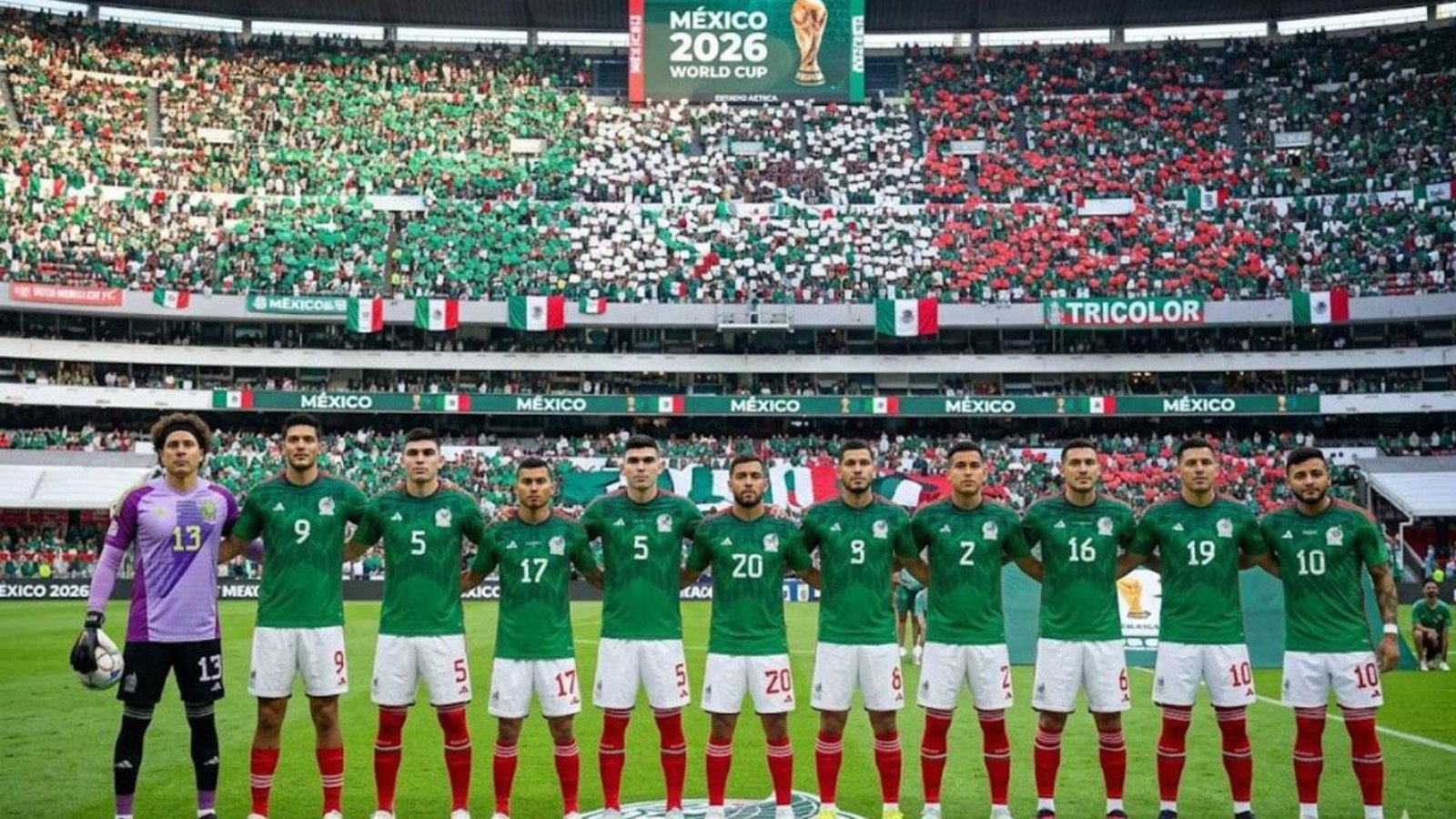
Mexico soccer has a distinctive place in international football, combining a deep national-team tradition, passionate supporters, influential clubs, and a long history at the FIFA World Cup. For fans in the United States, the sport has an additional connection because Mexico regularly plays major matches on both sides of the border. The 2026 World Cup added another historic chapter, with Mexico hosting matches and reaching the knockout stage.
From El Tri’s World Cup tradition to Liga MX and the Concacaf Gold Cup, understanding Mexican football means looking beyond one tournament. Its identity has been shaped by generations of players, intense regional rivalries, and a football culture that continues to produce major stars.
A Brief History of Mexico Soccer
The Mexico national team has been a major force in Concacaf for decades. Mexico was among Concacaf’s founding member associations, and its men’s national team has built one of the region’s strongest competitive records.
Mexico’s World Cup history is particularly significant. The country first appeared at the inaugural 1930 tournament and has repeatedly qualified for the competition. Before 2026, its best World Cup finishes were quarterfinal appearances in 1970 and 1986, both tournaments played on home soil.
The 1970 and 1986 tournaments helped establish Mexico as an important World Cup host. Estadio Azteca became one of football’s most recognizable venues, hosting the finals of both competitions. It also staged numerous other major international matches, adding to its legendary status.
Why Mexico Soccer Matters in Concacaf
Mexico has historically been one of the region’s most successful men’s national teams. The Concacaf Gold Cup is central to that reputation. In 2025, Mexico defeated the United States 2-1 in the final to win its record-extending 10th Gold Cup title.
The rivalry with the United States is especially important. Mexico and the U.S. have met repeatedly in Gold Cup finals and other major competitions, producing some of the most recognizable matches in North American football. Their rivalry combines sporting competition with a large shared fan culture in the United States and Mexico.
| Area | Mexico’s significance |
|---|---|
| World Cup | Two quarterfinal appearances before 2026 |
| Gold Cup | Record 10-time champion after the 2025 final |
| Major rivalry | United States |
| Domestic league | Liga MX |
| 2026 World Cup | Co-host and Round of 16 participant |
| National-team nickname | El Tri |
Liga MX and the Domestic Game
Mexico’s football culture is not built around the national team alone. Liga MX is the country’s top professional men’s league and has developed a powerful club culture involving historic teams such as Club América, Chivas, Cruz Azul, and Pumas UNAM.
The league has also been an important pathway for national-team players. Domestic clubs provide competitive environments where young Mexican players can develop before moving into European leagues or becoming established members of El Tri.
Mexican clubs have also enjoyed considerable success in Concacaf competition. Club América and Monterrey, among others, have established strong continental records, reinforcing the importance of Liga MX beyond Mexico’s domestic borders.
A Strong Connection With Fans
One of the defining characteristics of Mexico soccer is the atmosphere surrounding matches. Supporters create a recognizable football culture through chants, flags, national colors, and packed stadiums.
That support is not limited to Mexico. Large Mexican and Mexican-American communities across the United States regularly turn international matches into major sporting events. Cities such as Los Angeles, Houston, Dallas, Chicago, and Phoenix have become important markets for Mexican football audiences.
💡 Pro Tip:
If you are following the Mexico national team from the United States, check both Mexico’s official competition schedule and Concacaf match information before a tournament. Kickoff times, venues, and broadcast arrangements can vary by competition and location.
Mexico’s 2026 World Cup Campaign
The 2026 FIFA World Cup was particularly meaningful because Mexico became the first country to host the tournament three times. Mexico, Canada, and the United States automatically qualified as hosts.
Mexico opened the tournament with a 2-0 victory over South Africa at Mexico City Stadium. The team then defeated South Korea 1-0 before completing a perfect Group A campaign with a 3-0 win over Czechia.
The knockout phase produced another landmark result. Mexico defeated Ecuador 2-0 in the Round of 32, giving the host nation a place in the Round of 16. It was a notable breakthrough after Mexico had repeatedly failed to progress beyond the previous knockout barrier in recent World Cups.
The run ended against England, which defeated Mexico 3-2 in Mexico City. Despite the loss, Mexico finished the tournament with four victories, one defeat, and four clean sheets. FIFA ultimately ranked Mexico ninth among the 48 participating teams.
That performance gave the home supporters plenty to celebrate. Mexico did not reach the quarterfinals, but its unbeaten group-stage campaign and Round of 16 victory represented a strong World Cup showing.
Players Who Define Mexico’s Football Identity
Mexico has produced generations of recognizable players. Javier Hernández became one of the country’s best-known modern forwards, while Rafael Márquez established himself as a major defender and midfielder and later became a central figure in Mexican football history.
In the 2026 World Cup, several players attracted attention. Julián Quiñones scored against South Africa and later added another goal against Czechia, while Luis Romo and other midfielders contributed to a disciplined tournament campaign. Guillermo Ochoa also received a memorable farewell appearance during the Czechia match after being included in his sixth World Cup squad.
The 2025 Gold Cup also highlighted the importance of players such as Raúl Jiménez and Edson Álvarez. Jiménez scored in the final against the United States, while Álvarez was named the tournament’s best player.
What Comes Next for Mexico Soccer?
The challenge now is to build on the momentum of the 2026 World Cup rather than treat the tournament as an endpoint. Mexico will continue competing in Concacaf’s Nations League and Gold Cup, while the next World Cup qualification cycle begins in 2027 for teams outside the three 2026 host nations.
For Mexico, the broader objective is clear: develop younger talent, maintain the strength of Liga MX, and create a national team capable of competing consistently against the world’s strongest sides.
📌 Key Takeaway:
Mexico soccer is more than the national team. Its influence comes from the combination of World Cup history, Liga MX, Gold Cup success, passionate supporters, and a deep player-development tradition. The 2026 campaign strengthened that legacy with a perfect group stage, a Round of 32 victory, and a ninth-place overall finish.
Frequently Asked Questions
What is Mexico’s national soccer team called?
Mexico’s men’s national team is commonly known as El Tri, a reference to the team’s traditional use of the three colors of the Mexican flag. The team represents Mexico in FIFA competitions, Concacaf tournaments, and international friendlies.
How many Gold Cups has Mexico won?
Mexico won its 10th Concacaf Gold Cup in 2025 after defeating the United States 2-1 in the final. That victory extended Mexico’s record as the competition’s most successful men’s national team.
How far did Mexico go in the 2026 World Cup?
Mexico reached the Round of 16 after finishing first in Group A and defeating Ecuador 2-0 in the Round of 32. England then eliminated Mexico with a 3-2 victory in Mexico City. FIFA ranked Mexico ninth overall at the tournament.
Who are some famous Mexican soccer players?
Notable Mexican players include Javier Hernández, Rafael Márquez, Guillermo Ochoa, Raúl Jiménez, and Hugo Sánchez. Their careers span different generations and include achievements with the national team, Mexican clubs, and European teams.
What is Liga MX?
Liga MX is Mexico’s top men’s professional football league. It features some of the country’s most established clubs and plays an important role in developing players who can later represent the national team or pursue careers abroad.
Mexico soccer remains one of North America’s most recognizable football traditions. Its history at the World Cup, record Gold Cup success, influential domestic league, and enormous supporter base give it an identity that extends far beyond individual tournaments. After a strong 2026 World Cup campaign, Mexico enters its next era with another opportunity to turn regional dominance and home support into deeper success on the world stage.
Conclusion
Mexico soccer has a rare combination of history, regional success, club culture, and international visibility. The 2025 Gold Cup reinforced Mexico’s strength in Concacaf, while the 2026 World Cup provided another major stage on home soil. For new and longtime fans alike, following both El Tri and Liga MX offers the clearest view of the country’s football culture: one shows its international ambitions, while the other reveals the talent and rivalries that keep the sport moving forward.

1 Comment
Pingback: gpu news: Latest Graphics Card Updates- QuantumRun