

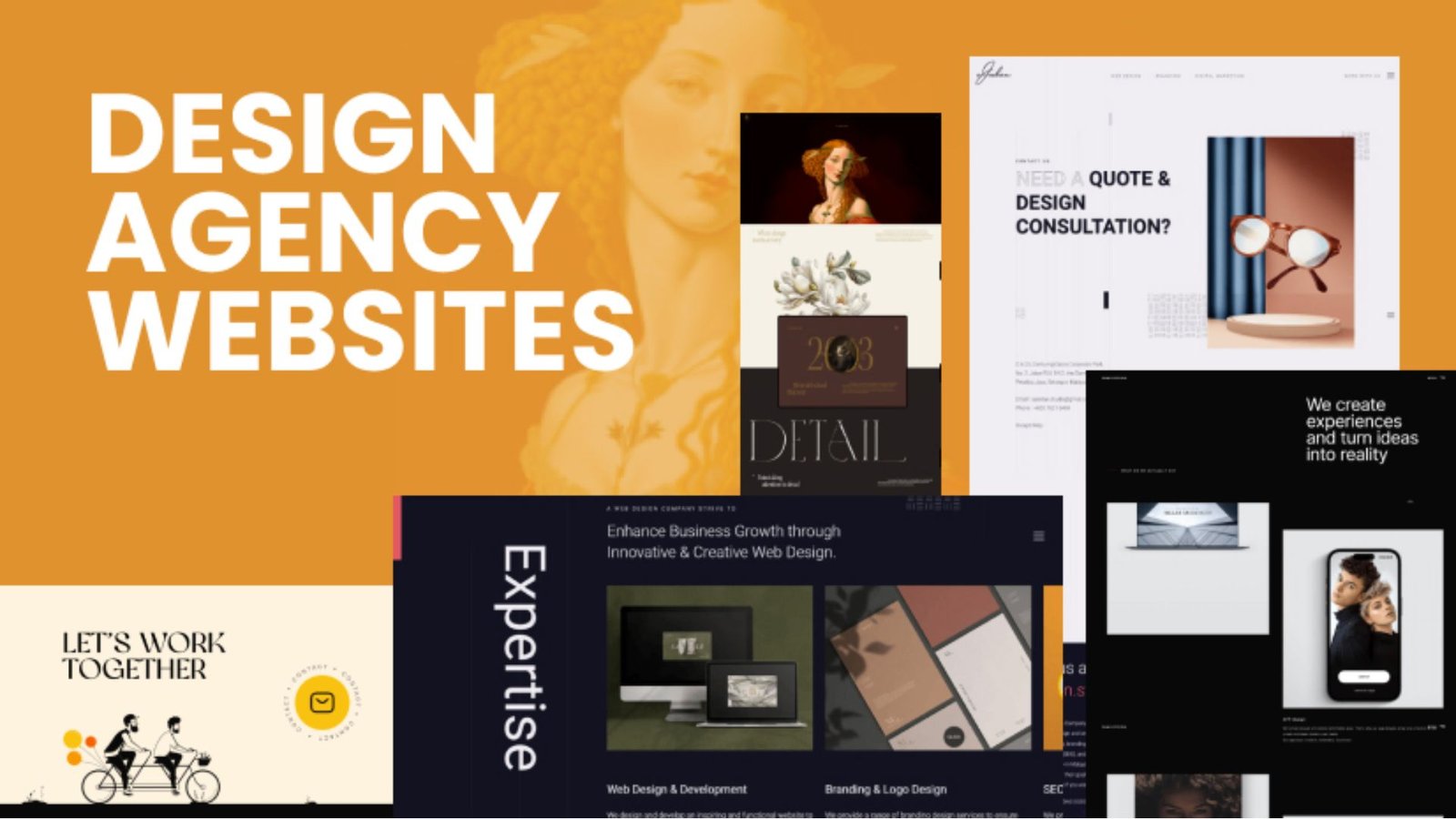
A poorly designed website can cost your business valuable leads, weaken customer trust, and make it harder to stand out from competitors. Choosing the wrong provider can also result in slow pages, confusing navigation, and expensive redesigns. A professional website design agency helps solve these problems by creating a website that reflects your brand, supports your marketing strategy, and guides visitors toward meaningful actions. The right partner combines thoughtful design, usability, technical performance, and search engine optimization to strengthen your online presence.
What Is a Website Design Agency?
A website design agency is a professional service provider that plans, designs, develops, and improves websites for businesses, organizations, and individuals. Its services can include visual design, user experience, responsive layouts, content structure, website development, and technical optimization.
Unlike a designer who may focus mainly on appearance, a full-service agency can coordinate designers, developers, SEO professionals, and content strategists to support business goals.
A professional agency typically helps businesses:
- Create a consistent and recognizable brand identity.
- Build websites that work on mobile phones, tablets, and computers.
- Improve navigation and make important information easier to find.
- Present products and services clearly.
- Generate inquiries, bookings, sales, and qualified leads.
- Maintain website performance and improve the experience over time.
The primary objective is to build a useful website that serves visitors and supports measurable business outcomes.
Why Does Your Business Need a Professional Website Design Agency?
Your website often shapes a potential customer’s first impression of your business. If visitors cannot understand your services, find contact information, or complete a purchase, they may leave before considering your offer.
A qualified agency approaches these challenges strategically rather than treating a website as a collection of attractive pages.
Build trust with potential customers
A consistent layout, clear messaging, genuine testimonials, accessible contact details, and professional photography can make a business appear more credible. Trust also depends on accurate information, transparent policies, and secure website functionality.
Improve the user experience
Visitors should understand what your business offers and how to take the next step. Clear menus, readable typography, logical page structures, and useful calls to action help reduce friction.
Support search engine visibility
Good design can support SEO when it includes crawlable content, descriptive page titles, logical headings, accessible navigation, and mobile-friendly layouts. However, design alone cannot guarantee search rankings.
Turn more visitors into customers
An effective website makes important actions easy. These may include requesting a quote, scheduling a consultation, purchasing a product, subscribing to a newsletter, or calling your business.
Create room for business growth
A well-planned website can accommodate new services, additional product categories, landing pages, and marketing campaigns without requiring a complete rebuild whenever your business changes.
What Services Does a Website Design Agency Provide?
The exact services depend on the agency’s team, technical skills, and project scope. Some agencies focus on design, while others manage the full process from planning to launch and ongoing maintenance.
| Service | What It Includes | Business Benefit |
|---|---|---|
| Website strategy | Audience research, competitor review, goals, and sitemap planning | Gives the project a clear direction |
| UI design | Colors, typography, buttons, layouts, and visual elements | Creates a consistent brand experience |
| UX design | Navigation, user journeys, forms, and usability testing | Helps visitors complete important tasks |
| Website development | Frontend interfaces, backend functions, and integrations | Turns designs into a working website |
| Responsive design | Layouts adapted to mobile, tablet, and desktop screens | Improves usability across devices |
| SEO foundations | Page titles, headings, crawlable content, and technical checks | Helps search engines understand the website |
| Ecommerce development | Product pages, shopping carts, checkout, and payment integrations | Supports online sales |
| Website copywriting | Service descriptions, landing pages, and calls to action | Explains the offer clearly |
| Accessibility | Keyboard navigation, readable contrast, and accessible forms | Makes the website more usable |
| Performance optimization | Image compression, efficient code, and caching | Supports a smoother browsing experience |
| Website maintenance | Updates, backups, security checks, and bug fixes | Helps keep the website reliable |
| Analytics setup | Conversion tracking, event measurement, and reporting | Helps measure website performance |
Before signing a contract, confirm which services are included, which require additional payment, and who will own the website files, domain, content, and accounts after launch.
Which Type of Website Design Agency Is Right for Your Business?
Different businesses have different requirements. A small local company may need a clear service website, while a software company may require product demonstrations, integration details, and a scalable marketing site.
SaaS website design agency
A SaaS website design agency specializes in websites for software-as-a-service companies. It can organize product features, pricing plans, customer use cases, integrations, and trial sign-up journeys.
A good SaaS website should answer three questions quickly: What does the product do? Who benefits from it? Why should a customer choose it over alternatives?
Useful features include:
- Product screenshots and demonstrations.
- Clear pricing and plan comparisons.
- Free-trial or demo-booking calls to action.
- Integration directories and documentation.
- Industry-specific landing pages.
B2B website design agency
A B2B website design agency works with companies that sell products or services to other businesses. These websites often need to communicate expertise, explain complex solutions, and support longer purchasing decisions.
Useful features include detailed service pages, case studies, downloadable resources, industry pages, and lead qualification forms. The website should help different decision-makers find the information they need.
Ecommerce website design agency
An ecommerce website design agency builds online stores that help customers discover products, compare options, and complete purchases.
Its work may include product catalog structure, filters, product photography, shipping information, payment gateways, inventory integrations, and checkout optimization. A strong store also makes return policies, delivery estimates, and customer support easy to find.
WordPress website design agency
A WordPress website design agency creates websites using WordPress, a content management system that supports business websites, blogs, service pages, and online stores.
WordPress can suit businesses that want to manage their own content. Ask the agency how it handles themes, plugins, backups, security, performance, and future updates.
Shopify website design agency
A Shopify website design agency focuses on stores built with Shopify. It can customize storefront themes, organize collections, improve product pages, configure supported apps, and refine the shopping experience.
Choose a team that understands both visual design and store operations. Product management, shipping rules, payment settings, and app compatibility matter just as much as appearance.
Custom website design agency
A custom website design agency develops a solution around a company’s specific requirements rather than relying entirely on a standard template.
Custom work may suit businesses with unusual user journeys, complex integrations, distinctive brand requirements, or specialized functionality. However, custom development can cost more and require additional maintenance, so the agency should explain why a custom solution is necessary.
Framer website design agency
A Framer website design agency may be a good fit for visually distinctive marketing websites, startup landing pages, and brands that want a design-focused workflow.
Before choosing this option, consider content management, integrations, team workflows, and whether the platform supports your long-term requirements.
Wix website design agency
A Wix website design agency may suit small businesses that need manageable content editing and accessible website-building tools.
The right choice depends on your required functionality, budget, integration needs, and plans for future growth.
Which Industries Need a Specialized Website Design Agency?
Industry experience can help an agency understand customer expectations, buying decisions, regulations, and the information visitors need before taking action.
Healthcare website design agency
A healthcare website design agency creates digital experiences for healthcare providers, clinics, hospitals, and related organizations. Clear service descriptions, provider information, appointment requests, location details, and accessible page layouts can make the website more useful.
Healthcare organizations should also review privacy requirements, accessibility, and the secure handling of patient information. Avoid collecting sensitive information through ordinary contact forms unless the setup is appropriate for that purpose.
Medical website design agency
A medical website design agency may serve specialist practices, medical professionals, and healthcare businesses. Useful website features include practitioner biographies, treatment explanations, clinic locations, appointment instructions, and patient information resources.
Medical content should receive appropriate review from qualified professionals. Accurate claims and transparent information are essential to patient trust.
Dental website design agency
A dental website design agency focuses on dentists, dental clinics, orthodontists, and oral health practices. A well-planned dental website can present treatments, introduce the clinical team, explain appointment procedures, and help patients contact the practice.
Useful features include:
- Service pages for examinations, cleaning, orthodontics, and restorative treatments.
- Clinic hours and location information.
- Appointment request forms.
- Staff biographies and relevant qualifications.
- Clear payment, insurance, or financing information where applicable.
Law firm website design agency
A law firm website design agency helps legal practices communicate their services, experience, locations, and professional credentials. Potential clients need to understand which legal matters the firm handles and how to arrange an initial consultation.
A legal website may include practice-area pages, attorney biographies, office information, case-related resources, and consultation forms. All claims about outcomes, credentials, and experience should be accurate and comply with applicable professional rules.
A website design agency for lawyers should also understand confidentiality considerations and the importance of careful wording on legal service pages.
Website design agency for manufacturing businesses
A website design agency for manufacturing businesses should understand industrial products, technical specifications, procurement processes, and business-to-business sales.
Manufacturing websites often benefit from:
- Product catalogs and downloadable technical sheets.
- Industry and application pages.
- Certifications and quality information.
- Equipment specifications and production capabilities.
- Quote request forms.
- Distributor or supplier information.
The website should help engineers, procurement teams, and business buyers assess whether the company can meet their requirements.
How to Find a Website Design Agency Near Me
Searching for a website design agency near me can help you discover local providers who understand your market and may be available for in-person meetings. However, location alone does not determine quality.
You can compare local agencies with remote teams based on their experience, communication, pricing, project process, and relevant portfolio work.
Use these steps to narrow your options:
- Define your goals. Decide whether you need a new website, a redesign, an online store, or improvements to an existing site.
- Search by specialty. Include your industry, platform, or location in your search.
- Review portfolios. Look for websites with similar functionality and business goals.
- Check independent reviews. Read specific feedback about communication, deadlines, and support.
- Arrange consultations. Ask how the agency would approach your project.
- Compare written proposals. Review deliverables, milestones, exclusions, ownership, and ongoing fees.
- Check references. Where possible, speak with previous clients about their experience.
Location-specific searches can help narrow results. For example, a Utah website design agency may be relevant to a business serving Utah, while a Denver website design agency may better understand the local market in Colorado.
A WordPress website design agency in the United States may be worth considering if you want US-based communication, local market knowledge, or support aligned with your business hours. Remote agencies can also be effective when they offer a suitable process and clear communication.
How Much Does a Website Design Agency Cost?
The cost depends on the website’s size, design requirements, functionality, content needs, integrations, and ongoing support. A simple business website generally requires less work than a large ecommerce platform or a custom web application.
The following figures are illustrative planning ranges in US dollars, not verified market averages or quotes. Actual prices vary by provider and project scope.
| Website Project | Illustrative Budget | Typical Scope |
|---|---|---|
| Basic business website | $500–$2,500 | A small set of pages, contact details, and standard layouts |
| Professional service website | $2,500–$8,000 | Custom styling, service pages, lead forms, and SEO foundations |
| WordPress business website | $1,500–$8,000 | Theme customization, content management, and selected integrations |
| B2B marketing website | $3,000–$15,000 | Industry pages, case studies, lead generation, and content structure |
| Ecommerce website | $3,000–$20,000+ | Product pages, checkout, payment configuration, and store integrations |
| Custom website development | $8,000–$50,000+ | Specialized functionality, complex workflows, or custom integrations |
| Ongoing maintenance | $50–$500+ per month | Updates, backups, monitoring, and agreed support |
These ranges overlap because a website’s requirements matter more than its category alone. A small online store with hundreds of product variations may require more work than a larger informational website.
What affects the final price?
- Design complexity: Unique layouts and detailed interactions require more design and development time.
- Number of pages: Larger websites need more planning, content, design, and testing.
- Content production: Copywriting, photography, video, and technical documentation may increase the budget.
- Integrations: CRM systems, booking tools, payment services, and inventory software add complexity.
- SEO requirements: Technical audits, content strategy, redirects, and migration work can increase project scope.
- Maintenance: Hosting, software updates, security monitoring, and support may involve recurring fees.
Ask each provider to separate the initial build cost from recurring expenses. This makes it easier to compare proposals fairly.
How to Choose the Best Website Design Agency
Finding the best website design agency means finding the team that fits your business goals, technical needs, and budget. A famous portfolio or attractive sales presentation does not automatically guarantee a successful project.
Use the following checklist before making a decision.
1. Review relevant experience
Look for examples of websites that serve a similar audience or require comparable functionality. An agency with experience building membership platforms, for example, may be a better choice than one that focuses only on simple brochure websites.
2. Examine the quality of its portfolio
Do not judge projects by screenshots alone. If possible, visit the actual websites and test them on a phone and desktop computer.
Check whether the pages load properly, the navigation makes sense, the content is readable, and the main actions work.
3. Ask about its design process
A professional team should explain how it gathers requirements, plans the website structure, presents designs, collects feedback, develops pages, and tests the finished product.
You should know who makes decisions and how the agency handles changes.
4. Check SEO and technical knowledge
Ask whether the project includes:
- Search-friendly page titles and heading structures.
- Mobile usability and performance checks.
- XML sitemap and indexing considerations.
- Redirect planning for redesigns.
- Analytics and conversion tracking.
- Appropriate structured data where relevant.
Helpful, original content, clear site organization, and good technical foundations can support search visibility, but they do not guarantee a particular ranking.
5. Confirm ownership and access
Your agreement should clarify who owns the finished design, code, content, and other deliverables. Confirm that you will have appropriate access to your domain, hosting, content management system, analytics, and third-party accounts.
Avoid arrangements that leave you unable to manage or move your website without the agency’s permission.
6. Understand communication and support
Ask who will manage the project, how frequently you will receive updates, and what happens if a deadline changes. Find out whether post-launch support is included or billed separately.
7. Compare proposals carefully
Request a written proposal with the scope, deliverables, timeline, payment schedule, revision limits, exclusions, and acceptance criteria.
The lowest quote is not always the best value. A clear proposal reduces misunderstandings and helps you plan the project with confidence.
What Should You Look for in a Website Design Agency’s SEO Strategy?
A website can look impressive but still struggle to attract relevant visitors if its structure, content, and technical setup do not support search discovery.
A capable agency should understand how design and SEO work together. It should also explain which services fall within its expertise and which may require a separate SEO specialist.
Technical SEO foundations
The agency should consider crawlability, indexability, URL structure, canonical tags where needed, redirects, mobile rendering, and appropriate sitemap configuration.
These checks are especially important when replacing an existing website because poorly managed migrations can disrupt existing URLs and organic traffic.
Content and search intent
Each important page should address a clear user need. A service page should explain the service, intended audience, process, benefits, limitations, and next steps instead of repeating the same sales message across multiple pages.
For local businesses, useful content may include service areas, location details, business hours, and accurate contact information.
Performance and mobile usability
Test important pages on mobile devices and review real performance data when available. Large images, unnecessary scripts, and poorly implemented third-party tools can slow down a website.
Google’s Core Web Vitals measure aspects of loading performance, responsiveness, and visual stability. Good results can improve the user experience but do not guarantee top search rankings.
Accessibility and usability
Ask the agency to consider keyboard navigation, descriptive form labels, readable text, color contrast, and meaningful alternative text for informative images.
The Web Content Accessibility Guidelines provide an established framework for making web content more accessible.
How Does a Website Design Project Work From Start to Finish?
A clear process helps both the client and the agency understand responsibilities and avoid costly changes late in development.
Step 1: Discovery and planning
The agency learns about your business, audience, competitors, goals, budget, and required features. It defines the project’s scope and success measures.
Step 2: Sitemap and wireframes
The team organizes the pages and creates basic layouts that show where content, navigation, forms, and calls to action will appear.
Step 3: Visual design
Designers develop the visual identity, typography, colors, components, and responsive layouts. You review the designs before development proceeds.
Step 4: Development and content
Developers build the approved designs, configure the content management system, integrate required tools, and add the agreed content.
Step 5: Testing and launch
The team tests forms, navigation, responsive behavior, redirects, security basics, and performance before publishing the website.
Step 6: Monitoring and improvement
After launch, the business tracks relevant metrics, resolves issues, updates content, and improves pages based on visitor behavior and business results.
How Can You Measure the Success of a Website Design Agency?
A successful website should do more than look attractive. It should help visitors complete tasks and contribute to the business’s goals.
Agree on measurable outcomes before the project starts, then compare performance after launch.
| Metric | What It Measures | Why It Matters |
|---|---|---|
| Conversion rate | Percentage of visitors who complete a defined action | Shows whether the site supports business goals |
| Qualified leads | Inquiries that match your target customer profile | Measures lead quality rather than just volume |
| Ecommerce conversion rate | Percentage of visits that result in purchases | Helps assess the shopping experience |
| Organic search traffic | Visits from unpaid search results | Indicates how search visibility changes over time |
| Core Web Vitals | Real-world loading, responsiveness, and visual stability | Helps identify user experience problems |
| Form completion rate | Percentage of form starters who submit successfully | Reveals friction in lead generation |
| Engagement by landing page | How visitors interact with key entry pages | Helps identify content that needs improvement |
| Revenue or lead value | Business value generated by website activity | Connects website performance to commercial results |
Use a baseline from the existing website when available. Consider traffic sources, seasonality, campaign changes, and the quality of incoming leads before attributing results to the redesign.
Common Mistakes to Avoid When Hiring a Website Design Agency
Even a promising project can encounter problems if expectations are unclear. Watch for these common mistakes:
- Choosing on price alone: A low quote may exclude content, testing, or essential functionality.
- Ignoring mobile users: Desktop-only design reviews can overlook major usability issues.
- Starting without a clear goal: The team may create attractive pages that fail to support conversions.
- Overloading the design: Excessive animation, pop-ups, and visual effects can distract visitors.
- Neglecting content: Unclear service descriptions and weak calls to action can undermine a polished design.
- Ignoring accessibility: Poor contrast, unlabeled forms, and keyboard barriers can make important features difficult to use.
- Forgetting ongoing costs: Hosting, licenses, maintenance, and premium applications can add recurring expenses.
- Accepting guaranteed rankings: No agency can guarantee a specific Google position through website design alone.
A good partnership begins with realistic expectations, clear responsibilities, and an agreed method for evaluating results.
Frequently Asked Questions About Website Design Agencies
1. What does a website design agency do?
A website design agency plans, designs, and develops websites for businesses. Depending on its services, it may also provide SEO, content creation, ecommerce development, accessibility improvements, analytics, and ongoing maintenance.
2. How do I choose the best website design agency for my business?
Compare relevant portfolios, industry experience, technical skills, project timelines, pricing, communication, and post-launch support. Request a written proposal and confirm ownership of your website and its associated accounts before signing a contract.
3. How much does it cost to hire a website design agency?
Costs depend on the project’s size and complexity. A basic business website may cost hundreds or a few thousand dollars, while ecommerce platforms and custom websites can cost considerably more. Request an itemized quote based on your requirements.
4. Is a local website design agency better than a remote agency?
Not necessarily. A local agency may offer easier in-person meetings and knowledge of your market. A remote team can provide equally suitable service if it has the right expertise, communicates clearly, and follows a reliable project process.
5. Can a website design agency help my website rank on Google?
Yes. An agency can improve website structure, mobile usability, technical SEO foundations, page organization, and conversion paths. Rankings also depend on content quality, relevance, competition, website authority, and other factors outside the agency’s direct control.
6. Should I choose WordPress, Shopify, Wix, or a custom website?
Choose WordPress for flexible content management, Shopify for many ecommerce needs, Wix for accessible website building and management, and custom development when specific requirements justify it. The best option depends on your budget, features, integrations, maintenance needs, and long-term plans.
Conclusion: Choose a Website Design Agency That Supports Your Goals
The right website design agency can help your business build a professional online presence, improve the customer experience, and create a clearer path from visitor interest to meaningful action. The strongest choice is not necessarily the largest or cheapest agency, but the team that understands your audience, explains its process, and delivers work aligned with your objectives.
Before committing, compare portfolios, ask detailed questions, review written proposals, and clarify ownership and support. Set measurable goals for leads, sales, usability, and performance so you can evaluate the website after launch.
Ready to improve your website? Start by listing your essential features, target audience, budget, and business goals. Use that brief to compare agencies and choose a partner who can turn your requirements into a practical, effective website.
Editorial trust note:
Add the real author’s name and relevant experience before publication, and have a qualified web or SEO professional review technical claims. No article or agency can guarantee first-page Google rankings.

1 Comment
Pingback: Graphic Design Agency: How to Choose the Best Creative Partner