

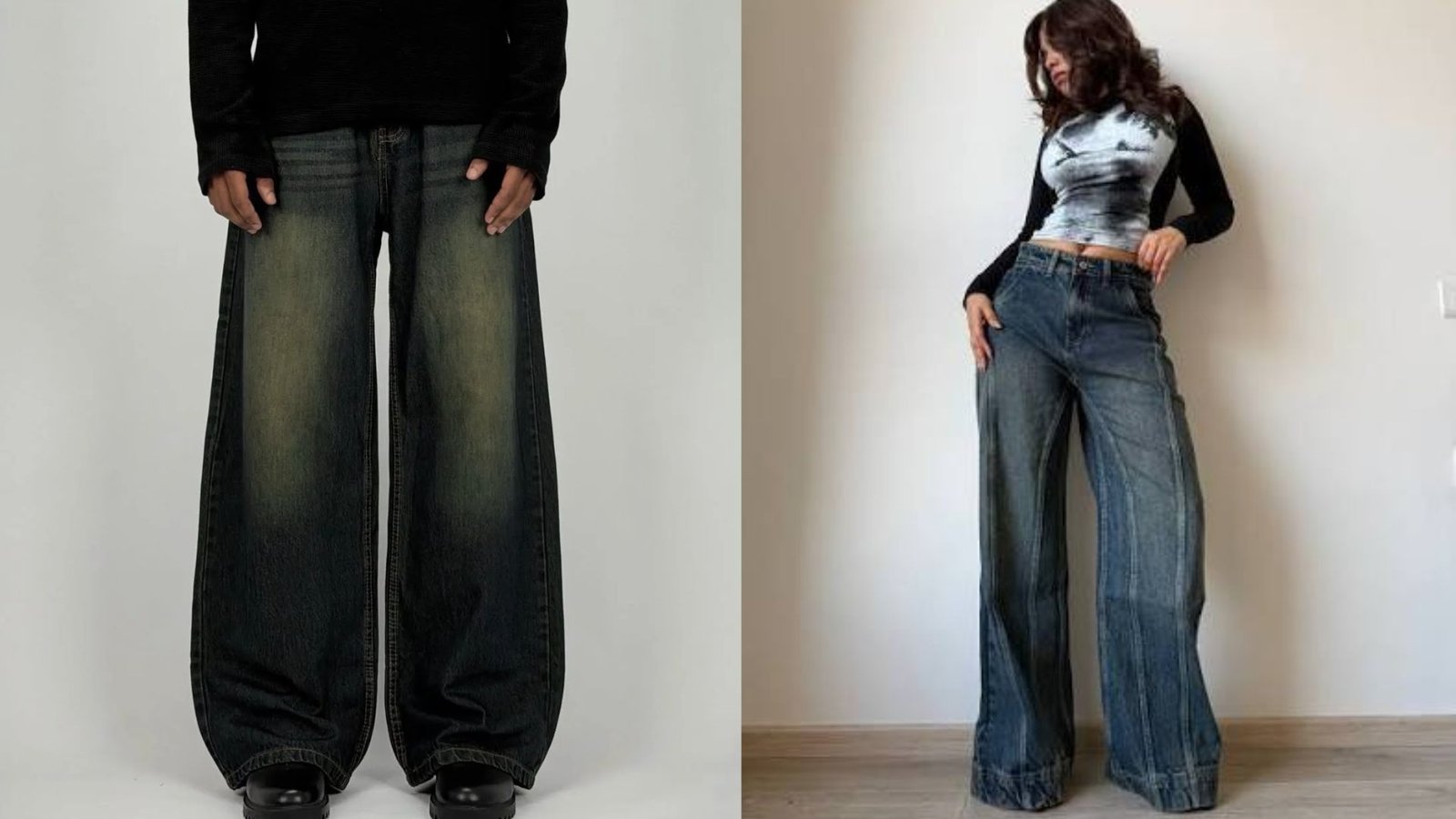
Finding the perfect pair of vintage jeans can be difficult when sizes, washes, cuts, and denim quality vary between brands. The wrong fit may feel uncomfortable, while the wrong wash can make an outfit harder to style. This guide helps you choose vintage jeans with confidence by explaining classic denim styles, popular brands, men’s and women’s fits, sizing tips, and practical ways to identify quality denim before buying.
What Are Vintage Jeans?
Vintage jeans are denim trousers inspired by older designs, traditional construction methods, and classic washes. They may be genuinely old garments, secondhand denim, or modern reproductions that recreate the look of earlier decades.
The distinction matters because not every pair marketed as vintage is genuinely old. Some brands sell new jeans with faded finishes, while collectors look for original garments with identifiable manufacturing details.
Common characteristics include:
- Classic denim: Often made from sturdy cotton denim with a traditional appearance.
- Timeless cuts: Straight-leg, relaxed, bootcut, and high-rise silhouettes.
- Distinctive washes: Faded blue, washed black, indigo, and naturally worn finishes.
- Traditional details: Five-pocket construction, metal rivets, button closures, and visible stitching.
- Versatile styling: Easy to pair with T-shirts, shirts, jackets, sweaters, and sneakers.
Why Are Vintage Jeans So Popular?
The appeal comes from their combination of comfort, character, and timeless style. Unlike heavily trend-driven clothing, classic denim can work across different seasons and personal styles.
Here are the main reasons people choose vintage-inspired denim:
- Versatility: A straight-leg pair can work with casual outfits, smart-casual clothing, and layered looks.
- Individual character: Older, pre-owned denim may have unique fading and wear patterns.
- Long-term style: Classic silhouettes remain useful even when fashion trends change.
- Styling flexibility: Different rises, leg shapes, and washes create very different looks.
- Potential sustainability benefits: Buying secondhand can extend a garment’s useful life, although the overall environmental impact depends on how it is sourced, maintained, and used.
The best pair is not necessarily the oldest or most expensive. Fit, fabric condition, comfort, and personal preference should guide your choice.
Which Vintage Jeans Are Best for Men?
Men’s vintage denim ranges from fitted straight-leg cuts to loose, oversized silhouettes. Your ideal style depends on your preferred shape, footwear, and the overall look you want to create.
1. Levi’s 501 Original Jeans
The Levi’s 501 is a well-known reference point for traditional five-pocket denim. Its button fly and classic straight-leg design make it a useful option for people who prefer a timeless silhouette.
The Levi’s 1922 501 Original Men’s Vintage Jeans and Levi’s Men’s 1922 501 Original Vintage Jeans are search terms associated with historical-style 501 denim. Check the actual product description carefully, because a modern reproduction and an authentic garment from 1922 are very different purchases.
2. Levi’s 1954 501 Original Fit
The Levi’s 1954 501 Original Fit Men’s Vintage Jeans and Levi’s 1954 501 Original Men’s Vintage Jeans are useful search terms for shoppers interested in mid-century denim styling.
Before buying, check the exact model, rise, leg shape, fly construction, fabric, and sizing. Reproduction details can vary, so the model name alone should not determine your choice.
3. Levi’s 1955 501 Original Vintage Jeans
The Levi’s Men’s 1955 501 Original Vintage Jeans appeal to shoppers interested in the fuller proportions associated with certain mid-century denim designs.
Compare the garment measurements rather than assuming that every 501 model has the same fit. A roomier cut may suit casual outfits, workwear-inspired clothing, and heavier boots.
4. Men’s Baggy Vintage Jeans
Baggy vintage jeans provide extra room through the hips and legs. They work well with oversized T-shirts, sweatshirts, casual jackets, and chunky sneakers.
For a balanced outfit, combine a loose leg with a more structured top. If both pieces are oversized, use differences in fabric, length, and proportion to keep the outfit intentional.
5. Men’s Straight-Leg Denim
Straight-leg denim offers a practical middle ground between slim and baggy styles. It can sit comfortably over sneakers, loafers, or boots without creating an extremely narrow or wide silhouette.
Best choice for most beginners: Start with a medium-blue, straight-leg pair. It is easy to combine with everyday clothing and gives you a reliable foundation for experimenting with other cuts.
Which Vintage Jeans Are Best for Women?
Women’s denim includes high-rise, low-rise, straight-leg, wide-leg, tapered, and relaxed designs. The right choice depends on how you want the waistband and leg to fit, not simply on the size printed on the label.
High-Rise Vintage Jeans
High-rise denim sits higher on the waist than low-rise styles. It pairs well with tucked-in shirts, cropped tops, fitted sweaters, and shorter jackets.
Women’s Wide-Leg Denim
Denim wide leg high rise vintage jeans women shoppers search for combines a higher waistband with a wider leg opening. This shape creates a relaxed, elongated silhouette when the hem and footwear are proportioned well.
Women’s Baggy Denim
Baggy styles provide extra room through the hips and legs. Try pairing them with a fitted top, a tucked-in shirt, or a shorter jacket to create contrast.
Women’s Straight-Leg Denim
Straight-leg denim offers a classic shape that works with everyday tops and a range of shoes. It is a useful option if you want a less fitted alternative to skinny jeans without choosing an extremely wide leg.
Vintage-Inspired Premium Denim
Shoppers searching for women’s vintage jeans may also encounter premium labels and modern denim brands. Compare fabric composition, rise, stretch, wash, and garment measurements rather than assuming a higher price guarantees a better fit.
Vintage Jeans Brands: A Complete Comparison Table
The following table compares the brands and product search terms in your keyword list. These are general shopping guidelines, not a ranking of current products or a guarantee that every named model is available.
| Brand or search term | Style or buying focus | Best suited for |
|---|---|---|
| Levi’s vintage jeans | Classic denim and heritage-inspired cuts | Everyday wear and timeless outfits |
| Levi’s 1922 501 Original Men’s Vintage Jeans | Early 501-inspired styling or historical reproductions | Heritage denim enthusiasts |
| Levi’s Men’s 1922 501 Original Vintage Jeans | Search variation for the 1922 501 model | Buyers comparing historical-style denim |
| Levi’s 1954 501 Original Fit Men’s Vintage Jeans | Mid-century 501-inspired fit | Traditional denim styling |
| Levi’s 1954 501 Original Men’s Vintage Jeans | Alternate search wording for the 1954 model | Buyers checking model-specific details |
| Levi’s Men’s 1955 501 Original Vintage Jeans | Mid-century-inspired 501 proportions | Classic casual and workwear outfits |
| Moussy vintage jeans | Fashion-focused denim with distinctive washes and cuts | Shoppers seeking contemporary premium styling |
| PAIGE Transcend vintage jeans | Premium denim with stretch-focused comfort in relevant Transcend styles | Shoppers prioritizing comfort and flexibility |
| California vintage jeans | Ambiguous search phrase that may describe different sellers or styles | Buyers who should verify the exact brand or product |
| Big Star vintage jeans | Brand-specific denim searches, including older or secondhand styles | Shoppers comparing particular Big Star models |
| Men’s vintage jeans | Broad category covering several rises, washes, and cuts | Men building a versatile wardrobe |
| Vintage jeans mens | Search variation for men’s denim | Men comparing classic and relaxed fits |
| Vintage jeans men | General men’s vintage-inspired denim search | Everyday and heritage-inspired outfits |
| Women’s vintage jeans | Broad category of vintage-inspired women’s denim | Women comparing rises and silhouettes |
| Vintage jeans women | Search variation for women’s denim | Shoppers looking for everyday styling options |
| Vintage jeans womens | Alternative search phrase for women’s fits | Women comparing cuts and washes |
| Baggy vintage jeans | Loose leg and relaxed proportions | Casual and streetwear outfits |
| Denim wide leg high rise vintage jeans women | High waist and wide-leg silhouette | Women seeking a relaxed, elongated shape |
How to Compare These Brands Before Buying
Focus on five details rather than choosing a product based on its name alone:
- Fit: Check the rise, hip room, thigh width, and leg opening.
- Fabric: Determine whether the denim is rigid, stretch, lightweight, or heavyweight.
- Condition: Inspect thinning fabric, stains, repairs, and damaged seams on secondhand garments.
- Authenticity: Look for consistent labels, construction details, and reliable provenance when buying collectible denim.
- Return policy: Confirm whether you can return the garment if the measurements do not work.
A model name may describe a particular historical design, but the exact product listing and garment measurements should confirm what you are actually purchasing.
How to Choose the Right Vintage Jeans Fit
Choosing a flattering fit starts with understanding how the jeans sit on your body. Two pairs with the same waist label can feel completely different because brands use different patterns, rises, and cuts.
Use these steps to narrow down your options.
- Measure your waist: Use a flexible measuring tape around the area where you want the waistband to sit.
- Measure your hips: This is especially helpful when shopping for high-rise or fitted styles.
- Check the rise: Decide whether you prefer low-rise, mid-rise, or high-rise denim.
- Compare the thigh and leg measurements: These determine whether the jeans feel slim, straight, relaxed, or baggy.
- Check the inseam: Choose a length that works with your preferred shoes and hem style.
- Read the fabric details: Rigid cotton denim and stretch denim behave differently when worn.
When buying secondhand, measure a pair of jeans that already fits you well and compare those measurements with the seller’s listing. This method is often more reliable than choosing your usual size.
What Are the Best Washes and Colors?
The wash changes how denim looks and how easily it fits into your wardrobe. Choosing a versatile color can help you wear the same pair with more outfits.
A versatile everyday option. It pairs well with white T-shirts, navy shirts, neutral sweaters, and casual jackets.
A cleaner appearance that works with button-down shirts, knitwear, and smart-casual footwear.
Ideal for relaxed outfits, spring and summer styling, and casual streetwear.
An easy alternative to blue denim that works with monochrome outfits, graphic tees, boots, and leather jackets.
Natural fading can give older denim character, but fading alone does not prove a garment is genuinely vintage. Modern finishing techniques can recreate similar effects.
How to Style Vintage Jeans for Everyday Wear
The easiest way to style denim is to balance its shape with the rest of your clothing. You do not need an entirely vintage wardrobe to create an outfit inspired by an earlier decade.
Try these combinations:
- Casual: Medium-blue jeans, a plain white T-shirt, and clean sneakers.
- Classic: Straight-leg denim, an Oxford shirt, and leather loafers.
- Streetwear: Baggy jeans, a graphic sweatshirt, and chunky sneakers.
- Smart casual: Dark indigo denim, a fitted knit, and a structured jacket.
- Summer: Light-wash denim, a breathable cotton shirt, and canvas shoes.
- Cold weather: Heavier denim, a wool sweater, and boots.
For a balanced silhouette, pair wide-leg jeans with a fitted or structured upper layer. With straight-leg denim, you can experiment with both relaxed and fitted tops.
The most effective styling approach is to choose one main feature, such as a faded wash, a wide leg, or a vintage jacket, and let the other pieces support it.
How to Tell If Vintage Jeans Are Authentic
Authenticity matters most when you are paying a premium for an older garment or a collectible model. A faded finish or an old-looking label alone is not enough to establish age or originality.
Inspect these details before buying:
- Care and brand labels: Check the wording, design, and consistency with the claimed production period.
- Buttons and rivets: Compare their markings and construction with reliable information about the specific model.
- Stitching: Look for construction details that match the garment’s claimed age and design.
- Fabric and fading: Examine wear around the knees, hems, pockets, and seat for signs of use or damage.
- Seller information: Ask where the garment came from and whether its age can be documented.
- Product description: Distinguish an original vintage garment from a modern reproduction or a new pair with a vintage wash.
For expensive collectible denim, seek an assessment from a knowledgeable specialist. Even familiar brand names and convincing construction details cannot independently guarantee authenticity.
Are Vintage Jeans Worth the Price?
They can be, but value depends on the garment’s quality, fit, condition, and price rather than its vintage label alone.
| Factor | What to look for | Effect on value |
|---|---|---|
| Fabric quality | Durable denim without excessive thinning | Supports regular wear |
| Fit | Comfortable waist, hips, and leg shape | Makes the garment more useful |
| Condition | Sound seams, secure buttons, and functional pockets | Reduces repair costs |
| Rarity | Verifiable production details or a genuinely scarce model | May matter to collectors |
| Brand | Identifiable model and reliable product information | Helps comparison shopping |
| Versatility | A color and cut that match several outfits | Increases cost per wear |
| Repairs | Clear information about patches, alterations, and replaced parts | Helps buyers judge condition |
A common, well-fitting pair may offer better everyday value than an expensive collectible that rarely leaves the closet. Consider your budget and intended use before paying extra for age, rarity, or branding.
How to Care for Vintage Denim
Good care helps denim retain its shape, color, and useful life. Older garments may need gentler treatment than newer, sturdier pairs, especially if the fabric has become thin.
Follow these practical tips:
- Check the care label: Follow any specific washing instructions for the fabric and finish.
- Wash when needed: Avoid unnecessary washing, but clean the garment when dirt, odor, or hygiene requires it.
- Use cool water: A gentle cycle and mild detergent can help limit fading and stress on the fabric.
- Turn jeans inside out: This reduces direct abrasion on the outer surface.
- Air-dry when practical: High heat can cause shrinkage or put additional stress on weakened fibers.
- Repair small problems early: Address loose hems, damaged belt loops, and minor seam issues before they worsen.
- Store them dry: Keep denim in a clean, dry space away from prolonged direct sunlight.
If the garment is fragile, valuable, or historically significant, seek specialist cleaning or repair advice before attempting major restoration.
Where Should You Buy Vintage Jeans?
You can shop for vintage-inspired denim through brand stores, secondhand clothing shops, vintage boutiques, resale marketplaces, and specialist denim sellers. Each option has different advantages.
- Brand stores: Useful for modern reproductions with clearly specified sizing and product details.
- Vintage boutiques: Helpful when you want selected secondhand garments and in-person inspection.
- Secondhand shops: Often worth exploring for affordable everyday denim.
- Resale marketplaces: Offer broad choices but require careful checks of measurements, photographs, condition, and seller reliability.
- Specialist denim sellers: May provide more detailed information about historical models and collectible pieces.
Before completing a purchase, confirm the exact model, measurements, fabric composition, condition, shipping cost, and return terms. Ask for photographs of the waistband, labels, hems, and any damaged areas if the listing does not show them clearly.
Common Mistakes to Avoid When Buying Vintage Jeans
Even an attractive pair can disappoint if you overlook practical details. Avoid these common mistakes:
- Buying by label size alone: Measurements can differ significantly between brands and production periods.
- Confusing reproductions with originals: A modern heritage-inspired design is not necessarily an old garment.
- Ignoring fabric damage: Thinning fabric may be more serious than a small, visible stain.
- Choosing a trend over comfort: An extreme rise or wide leg may not suit your everyday needs.
- Paying too much for fading: A worn appearance does not automatically indicate rarity or superior quality.
- Overlooking alterations: Shortened hems, tapered legs, and replaced buttons can affect fit and collectible value.
- Ignoring return conditions: Secondhand purchases may have limited return options.
The smartest purchase balances appearance, comfort, condition, and price. A pair you can wear regularly is generally a better wardrobe investment than one selected only for its label.
Frequently Asked Questions
1. What are vintage jeans?
Vintage jeans are older denim garments or modern designs inspired by historical denim styles. They commonly feature classic cuts, traditional construction, and distinctive washes.
2. Which vintage jeans are best for men?
Straight-leg Levi’s 501 styles are a useful starting point for men who prefer classic denim. Men who want a looser silhouette can consider relaxed or baggy cuts.
3. Which vintage jeans are best for women?
High-rise straight-leg and wide-leg styles are versatile choices for women. The best option depends on waistband comfort, hip measurements, leg shape, and preferred styling.
4. Are Levi’s vintage jeans worth buying?
Levi’s vintage jeans can be worth buying when the fit, condition, and price meet your needs. Check whether the pair is an authentic older garment or a modern reproduction before paying a collector’s premium.
5. How should vintage jeans fit?
They should feel comfortable at the waist and hips without unwanted pulling or excessive looseness. The leg opening and inseam should also suit your preferred silhouette and footwear.
6. How can you tell if vintage jeans are real?
Check the labels, stitching, hardware, fabric, and seller’s information against reliable details for the claimed model and production period. No single feature proves authenticity, particularly when modern reproductions closely resemble older designs.
Final Thoughts:
The best vintage jeans combine a comfortable fit, durable fabric, a flattering silhouette, and a price that makes sense for your budget. Whether you prefer classic Levi’s 501 designs, premium denim from Moussy or PAIGE, relaxed men’s cuts, or high-rise women’s wide-leg styles, compare the actual garment details before buying.
Start with a versatile wash and a fit you can wear regularly. Then experiment with different cuts, shoes, and layers to develop a style that feels personal rather than following every passing trend.
