

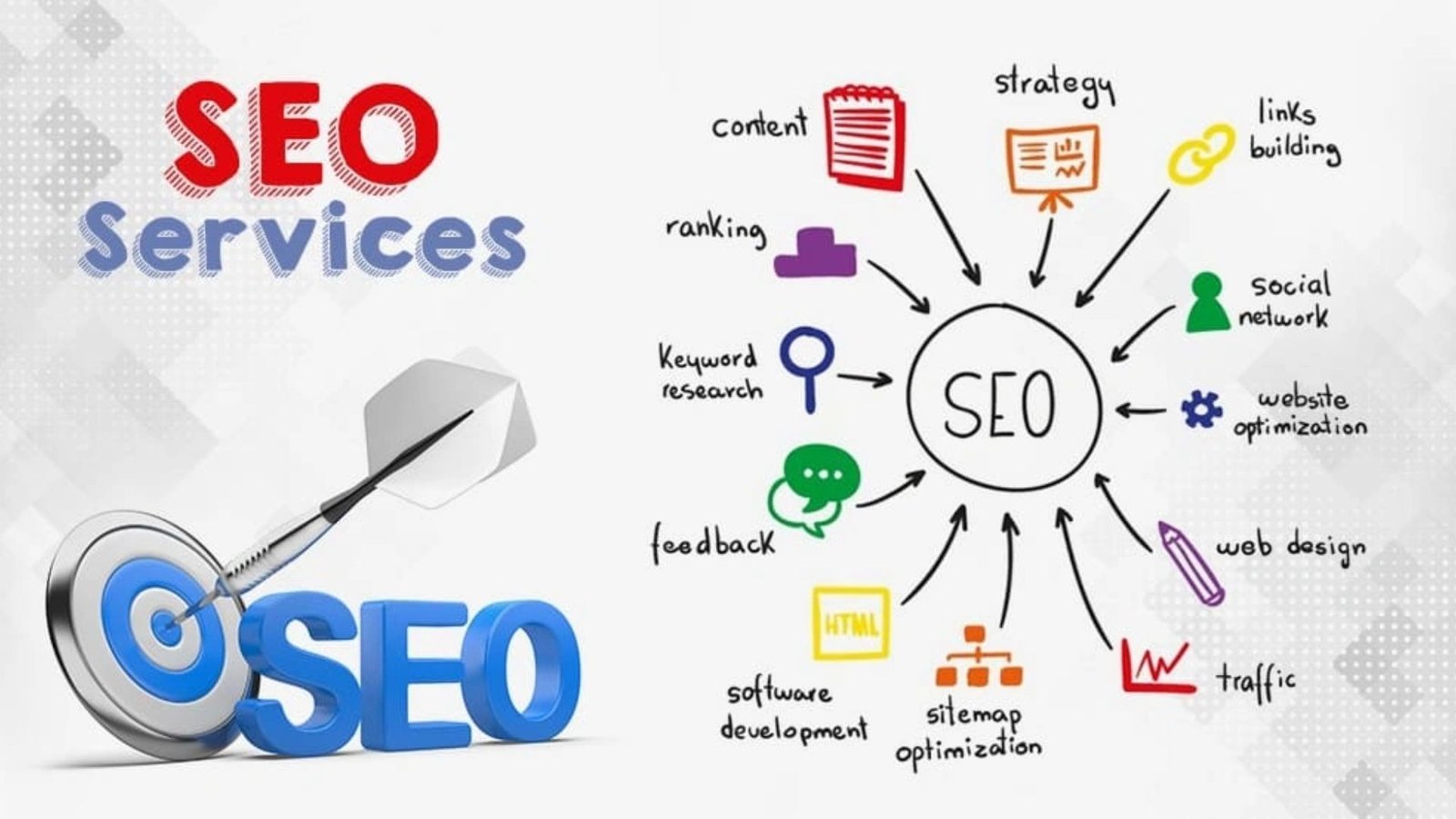
SEO services help businesses make their websites easier for search engines to understand and more useful for people searching for their products, services, or information. The work can range from technical improvements and keyword research to content development, local visibility, link acquisition, and performance analysis.
For a small business, ecommerce store, publisher, or growing company, the right approach depends on the website’s condition, audience, competition, and business goals. A strong SEO strategy is not simply about adding keywords to pages. It connects technical accessibility, useful content, search intent, site structure, and measurable business outcomes.
What Are SEO Services?
SEO services are professional activities designed to improve a website’s visibility in unpaid search results. They can be provided by an agency, consultant, specialist, or in-house team.
Google’s own documentation describes SEO as helping search engines understand content and helping users find a site through search. It also recommends following technical requirements and Search Essentials rather than relying on manipulative tactics.
The exact scope varies, but most effective campaigns involve several related areas:
- Technical SEO
- Keyword and search-intent research
- On-page optimization
- Content strategy and production
- Internal linking
- Local SEO
- Ecommerce SEO
- Website performance analysis
- Digital PR and legitimate link acquisition
- Reporting and ongoing optimization
The objective is not to manipulate search systems. Google specifically identifies practices such as keyword stuffing, link spam, cloaking, and scaled content created primarily for rankings as spam.
What Do SEO Services Include?
A useful campaign usually begins with an assessment rather than immediate content production. The provider needs to understand how the website currently performs, which pages matter most, what competitors are doing, and what potential customers search for.
| SEO Area | Typical Work | Primary Goal |
|---|---|---|
| Technical SEO | Crawling, indexing, site architecture, redirects, performance | Make the site accessible and understandable |
| On-Page SEO | Titles, headings, content, internal links, images | Improve relevance and usability |
| Content SEO | Topic research, articles, landing pages, updates | Satisfy search intent with useful information |
| Local SEO | Business Profile, local pages, citations, reviews | Improve visibility for location-based searches |
| Off-Page SEO | Digital PR, relevant mentions, legitimate links | Strengthen authority and discoverability |
| Analytics | Search Console, analytics, rankings, conversions | Measure results and guide decisions |
Technical SEO
Technical work focuses on how search engines access and interpret a website. Specialists may review crawling, indexing, redirects, canonicalization, structured data, mobile usability, site architecture, and page experience.
A technically polished website still needs valuable content, but technical problems can prevent strong content from being properly discovered or understood.
On-Page SEO
On-page optimization improves individual pages. This can include clearer title tags, descriptive headings, useful body copy, image optimization, relevant internal links, and better alignment with the searcher’s intent.
The goal is not to repeat the same phrase throughout a page. Google warns that excessive keyword repetition can become keyword stuffing and may violate its spam policies.
Content SEO
Content-focused SEO identifies the questions and problems an audience actually has. Instead of producing pages simply because a keyword has search volume, a good strategy considers what the visitor expects to accomplish.
For example, someone searching for “commercial cleaning services” may need information about service areas, pricing factors, contracts, cleaning schedules, and what is included. A page that addresses those practical questions can be more useful than a short page built around repeated terminology.
Local SEO
Local businesses have additional opportunities through location-based search. A verified Google Business Profile can display business information on Google Search and Maps, while accurate details, reviews, photos, and other information can help customers understand the business.
Local SEO can include Business Profile optimization, location pages, local content, review management, structured business information, and consistent business details.
Google states that local results are primarily influenced by relevance, distance, and prominence, and that businesses cannot pay Google to receive a better organic local ranking.
How to Choose SEO Services for Your Business
Choosing a provider should start with the business problem rather than a promise of a particular ranking.
Ask what the provider will actually do, how success will be measured, and which pages or business outcomes the work is intended to improve. A credible proposal should explain the strategy instead of relying on vague claims.
Look for:
- Clear deliverables and timelines
- Technical and content recommendations
- Transparent reporting
- Defined conversion or visibility goals
- An explanation of recommended changes
- Sustainable link-building methods
- Communication about risks and limitations
Be cautious of guarantees that a website will reach a specific Google position. Search results depend on many factors, and no legitimate provider controls Google’s ranking systems.
💡 Pro Tip:
Before approving a large SEO campaign, ask for a prioritized action plan. Fixing a critical indexing problem or improving an important commercial page can be more valuable than publishing dozens of new articles without addressing the site’s underlying weaknesses.
How Long Do SEO Services Take to Work?
SEO rarely produces meaningful results from a single change. Some technical corrections can have relatively quick effects once search engines recrawl and process a website, while competitive queries and new content may require substantially more time.
The appropriate measurement period also depends on the website’s history, industry, competition, technical condition, content quality, and search demand.
Rather than judging a campaign only by keyword positions, businesses can monitor organic traffic, impressions, clicks, qualified leads, sales, engagement, and conversions. Google Search Console provides information about search performance, while Google Business Profile provides relevant local performance information for eligible businesses.
Common SEO Mistakes to Avoid
Some approaches can create more problems than opportunities. Publishing large quantities of low-value pages, copying material from other websites, creating doorway pages, or building links primarily to manipulate rankings can conflict with Google’s spam policies.
Another common mistake is treating SEO as a one-time website project. Search behavior, competitors, products, services, and websites change. A page that performs well today may need new information or a different structure later.
Businesses should also avoid measuring everything by rankings. A first-page position for an irrelevant query may produce little commercial value, while a more targeted search term can bring fewer visitors but better prospects.
📌 Key Takeaway:
Effective SEO is a combination of technical accessibility, useful content, search-intent alignment, strong site structure, legitimate authority building, and continuous measurement. The right SEO services should support actual business goals rather than chasing rankings in isolation.
Frequently Asked Questions
What do SEO services usually include?
SEO services can include technical audits, keyword research, on-page optimization, content strategy, internal linking, local SEO, analytics, and authority-building activities. The exact package should reflect the website’s needs and objectives rather than using an identical checklist for every business.
Are SEO services worth it for a small business?
They can be useful when search visibility is relevant to how customers discover the business. The value depends on factors such as competition, margins, search demand, website quality, and conversion rates. A small company should prioritize pages and searches connected to its most valuable products or services.
Can SEO guarantee a number-one Google ranking?
No provider can legitimately guarantee a specific organic Google ranking. Search systems use numerous signals and change over time. A responsible provider should explain the work being performed, establish measurable objectives, and report actual performance rather than promising a predetermined position.
How should SEO performance be measured?
Useful measurements include organic clicks, impressions, qualified traffic, leads, sales, conversion rates, and relevant local actions. Rankings can provide context, but they should not be the only measurement. The best metrics depend on the business model and what a successful customer journey looks like.
Is local SEO different from traditional SEO?
Local SEO has a stronger geographic component. It can involve Google Business Profile management, local landing pages, reviews, business information, and location-specific content. Google uses factors including relevance, distance, and prominence when determining local results.
Conclusion
Good SEO services should make a website more discoverable while also making it more useful to the people who visit it. Technical improvements can remove barriers, strong content can answer real questions, and thoughtful optimization can connect valuable pages with relevant searches.
The most sustainable approach is to treat SEO as an ongoing business function: identify genuine opportunities, improve the experience, measure meaningful outcomes, and adapt as the website and search landscape change.

1 Comment
Pingback: Market Research Analyst: Career, Skills, Salary and Outlook- QuantumRun