

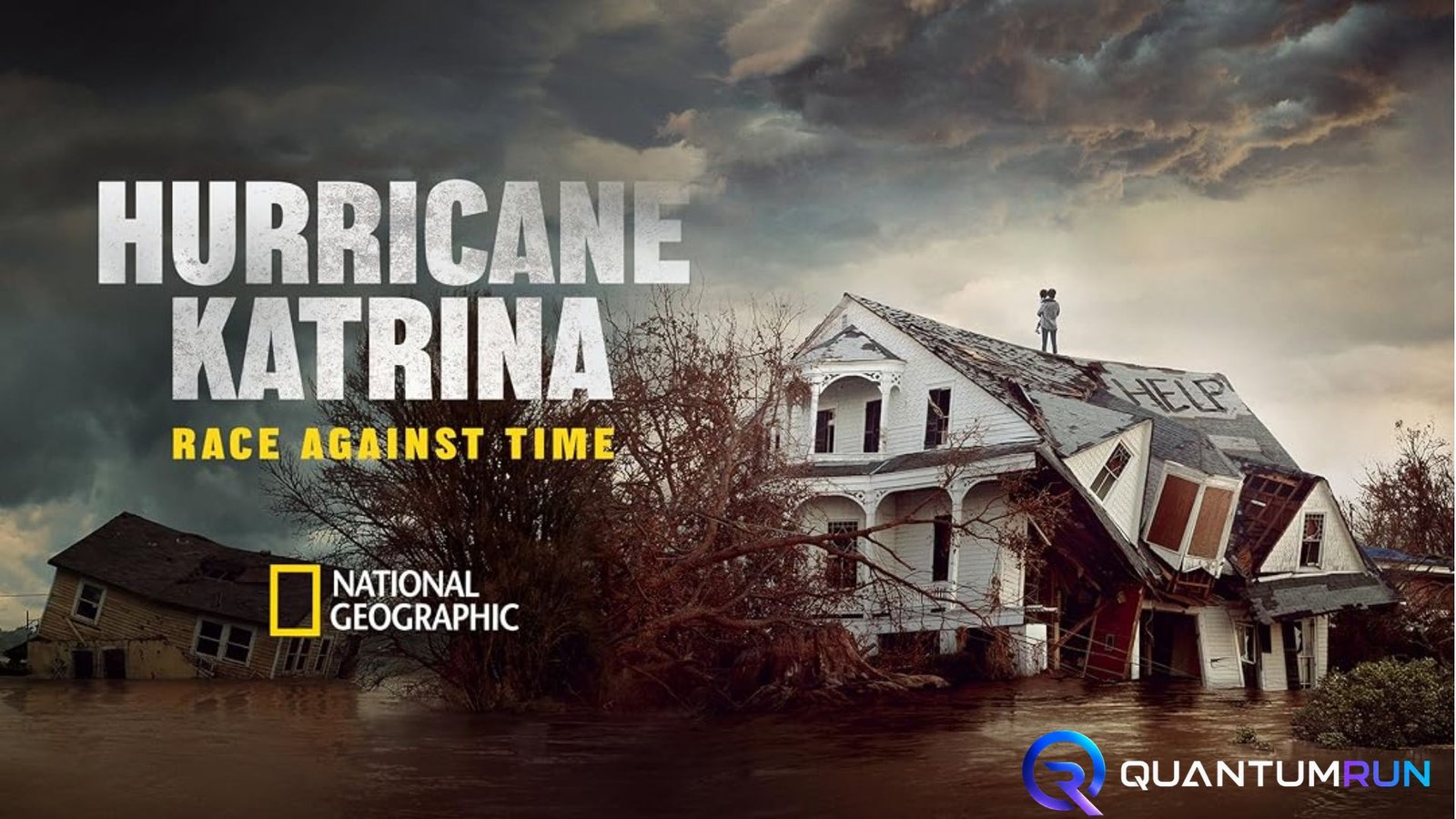
A Hurricane Katrina documentary offers more than footage of wind and water; it preserves the voices of survivors, first responders, and communities reshaped by one of the costliest natural disasters in U.S. history. If you’re searching for the most impactful films on the 2005 storm, this guide highlights the essential titles, where to watch them, and what each brings to the story.
Why Watch a Hurricane Katrina Documentary?
Hurricane Katrina struck the Gulf Coast in late August 2005, killing nearly 2,000 people and causing more than $125 billion in damage. The disaster exposed flaws in emergency response, infrastructure, and social equity—themes that remain relevant today. A well-made Hurricane Katrina documentary does more than recount events; it helps viewers understand how policy, geography, and human choices turned a powerful storm into a historic catastrophe.britannica+3
For students, researchers, or anyone seeking context beyond news clips, these films provide primary-source testimony, archival material, and expert analysis that deepen understanding of the event and its long-term consequences.
When the Levees Broke: A Requiem in Four Acts (2006)
Spike Lee’s four-part HBO film is widely regarded as the definitive Hurricane Katrina documentary. Featuring more than 100 interviews with residents, officials, and experts, it chronicles the storm’s landfall, the levee failures in New Orleans, and the chaotic aftermath. The film is notable for its emotional depth and its unflinching look at government shortcomings at local, state, and federal levels.
Where to watch: HBO platforms, Amazon Prime Video, and other major digital retailers.
Trouble the Water (2008)
This Academy Award–nominated documentary follows Kimberly Rivers Roberts, a New Orleans rapper, as she films her own experience during and after the storm. Blending personal narrative with broader social critique, Trouble the Water highlights issues of race, poverty, and displacement that official accounts often overlooked.
Where to watch: Streaming on Kanopy and available for rent on major platforms.
Katrina: Come Hell and High Water (2025)
Released twenty years after the storm, this Netflix original revisits survivors’ stories and examines systemic inequities laid bare by the disaster. It serves as both a memorial and a contemporary reflection on recovery, rebuilding, and unresolved challenges in the Gulf region.
Where to watch: Netflix.
Inside Hurricane Katrina (NOVA / PBS)
Produced by PBS, this program combines scientific explanation with on-the-ground reporting to show how meteorology, engineering, and human decisions intersected during the crisis. It’s particularly useful for viewers who want a clear, fact-based account of how the storm developed and why the flooding was so severe.
Where to watch: PBS.org, Amazon Prime Video.
Other Notable Films
Several other titles round out a comprehensive viewing list:
- The Storm (Frontline, 2005): Investigates preparedness failures and the breakdown of command.
- Awake from the Dead (2006): Focuses on grassroots recovery efforts and community resilience.
- Katrina Babies (2022): Explores the experiences of children displaced by the storm.
Each adds a different perspective, from investigative journalism to intimate portraiture.
What to Expect from a Quality Hurricane Katrina Documentary
Not all films approach the subject with the same rigor or empathy. The most credible Hurricane Katrina documentary titles share several traits:
| Feature | What It Adds |
|---|---|
| Survivor testimony | Humanizes the disaster beyond statistics |
| Archival news & official footage | Grounds the narrative in verifiable events |
| Expert analysis (meteorology, engineering, policy) | Explains how and why failures occurred |
| Long-term follow-up | Shows recovery, displacement, and lasting change |
| Ethical storytelling | Avoids sensationalism and respects subjects’ dignity |
When choosing what to watch, consider which angle matters most to you: personal stories, scientific explanation, policy critique, or a blend of all three.
💡 Pro Tip:
If you’re using these films for research or education, pair them with primary sources like the National Hurricane Center’s Tropical Cyclone Report on Katrina or FEMA after-action reviews to cross-check facts and timelines..
Common Questions About Hurricane Katrina Films
Which Hurricane Katrina documentary is considered the best?
Most critics and scholars point to Spike Lee’s When the Levees Broke as the most comprehensive and influential. Its breadth of interviews and access to key figures make it a foundational text for understanding the disaster.
Are there recent Hurricane Katrina documentary releases?
Yes. Netflix’s Katrina: Come Hell and High Water (2025) marks the 20-year anniversary with new interviews and reflection on long-term impacts.
Can I watch these documentaries for free?
Some titles, like certain PBS productions, may be available free with a library card via Kanopy or Hoopla. Others require rental or subscription access on platforms like HBO, Netflix, or Amazon.
Do these films cover the science of the storm?
Programs like NOVA’s Inside Hurricane Katrina focus heavily on meteorology and engineering, explaining how Katrina intensified and why levees failed.
Are there documentaries focused on children or families?
Katrina Babies (2022) specifically examines how displacement and trauma affected young people, offering a perspective often missing from broader accounts.
📌 Key Takeaway:
Start with When the Levees Broke for depth, then supplement with Trouble the Water for personal narrative and a recent title like Katrina: Come Hell and High Water for contemporary reflection.
How These Films Shape Public Memory
A Hurricane Katrina documentary does more than inform; it influences how society remembers the event. By centering marginalized voices, these films have helped shift the narrative from “natural disaster” to “human-made catastrophe,” emphasizing policy failures and systemic inequality. This reframing continues to inform debates about climate resilience, urban planning, and emergency management.britannica+1
For educators, journalists, and policymakers, these documentaries serve as both historical record and cautionary tale. They remind viewers that preparation, infrastructure investment, and equitable response are not optional—they are essential to saving lives.
Final Thoughts
Whether you’re seeking a single definitive film or a curated list for deeper study, the right Hurricane Katrina documentary can transform abstract headlines into lived experience. Choose titles that balance factual accuracy with human storytelling, and you’ll gain not just knowledge of what happened in 2005, but insight into how communities endure—and rebuild—after catastrophe.
Frequently Asked Questions
What is the most recommended Hurricane Katrina documentary?
When the Levees Broke: A Requiem in Four Acts by Spike Lee is most frequently recommended for its comprehensive scope, emotional power, and access to key witnesses and officials.
Are there documentaries suitable for classroom use?
Yes. PBS’s Inside Hurricane Katrina and Frontline’s The Storm are often used in educational settings due to their clear structure, factual grounding, and alignment with curriculum standards on disasters and civics.
How accurate are these documentaries?
Reputable titles rely on verified footage, official reports, and firsthand accounts. Still, cross-referencing with sources like the National Hurricane Center or Britannica can help confirm specific details.nhc.noaa+1
Do any films focus on recovery and rebuilding?
Several, including Awake from the Dead and Katrina: Come Hell and High Water, emphasize long-term recovery, community-led efforts, and ongoing challenges two decades later.
Where can I find a full list of Hurricane Katrina documentaries?
Curated lists appear on sites like DocumentaryTube, Yahoo Entertainment, and streaming platform categories. Libraries and university media centers also maintain annotated bibliographies for research.yahoo+1

1 Comment
Pingback: Good Mystery Movies: 25+ Picks From Classic to 2026- QuantumRun